How to Get Thicker Hair: 13 Easy & Effective Ways for Fuller Strands
Want fuller, thicker hair? Discover 13 simple, proven tips you can start today to boost volume, reduce breakage, and get the healthy strands you’ve always wanted.
This post is all about how to get thicker hair.

Let’s get real, I’ve always envied those effortlessly full, fluffy ponytails that just seem to happen naturally.
Meanwhile, my hair felt deceptively thin, like a limp noodle, despite all the products and hacks.
For years, I resigned myself to fine strands and flat ponytails until I started digging into what experts actually say (instead of falling for every trendy serum on TikTok).
If you’re like me, always wondering how to get thicker hair without falling for fluff, this post is your down-to-earth, fully sourced guide.
These 13 dermatologist-and trichologist-approved tips are about building genuine thickness (not just the illusion of it).
Let’s go.
If you’ve struggled with frizz or oily roots, you might also check out tips from this post on frizzy hair remedies and treat those issues before layering on volumizing products. And if your scalp gets greasy fast, this guide on shampoos for oily hair could be your shortcut to a cleaner, fuller look.
What Determines Hair Thickness?
First, a quick science drop: your hair thickness is influenced by genetics (strand diameter & follicle count), but lifestyle factors, like diet, scalp health, stress, heat damage, and product use, can make a difference in how full your hair looks and feels.

How to Get Thicker Hair:
1. Treat Your Scalp Like the Soil It Is

Your scalp is your hair’s foundation.
According to dermatologists, regular scalp massages can aid in exfoliation, improve nutrient delivery, and potentially boost thickness over time.
It might not be a miracle, but it’s a soothing habit with actual benefits.
How to do it: Use fingertips or a scalp brush for 5 minutes daily, in small circular motions. Add light pressure and cover all areas.
2. Feed Your Follicles

Hair is protein-rich (keratin!), so your diet matters.
Dr. Anna Chacon recommends animal proteins like eggs, chicken, and Greek yogurt, plus iron-rich vegetables and vitamin C fruits to boost absorption.
I’d recommend trying a breakfast smoothie with spinach, berries, yogurt, and a scoop of collagen or protein powder.
3. Don’t Skip Omega-3s

Omega-3 fatty acids in salmon, walnuts, and flaxseeds help with scalp health and may reduce shedding.
A 2015 study showed omega supplements improved hair fullness in women after 6 months.
4. Use a Legitimate Thickening Shampoo & Conditioner

Not all “thickening” labels are equal.
Dermatologists advise choosing sulfate-free formulas with biotin, keratin, or peptides, ingredients that temporarily plump the hair shaft.
5. Consider Minoxidil

If you suspect actual thinning (not just density issues), minoxidil (Rogaine) is a rare OTC treatment with real science behind it.
It extends the hair growth phase and enlarges follicles. It’s FDA-approved for androgenetic alopecia in both men and women.
Expect to wait at least 4 months to see results, with peak effects taking 12–18 months. Consistency is key, it works only as long as you use it.
6. Say No to Excessive Heat

Hot tools can weaken hair and make it break off, then you’re stuck with it in no time. Use a heat protectant every time and give heatless styles a shot: braids, rollers, overnight twists, even scrunchies to create waves.
7. Loosen Up on Tight Hairstyles

Constantly pulling your hair tight can cause traction alopecia, a.k.a. hair loss from tension.
Trichologists recommend looser styles, especially around the hairline and sides, to preserve follicle health.
8. Weekly Scalp Exfoliation
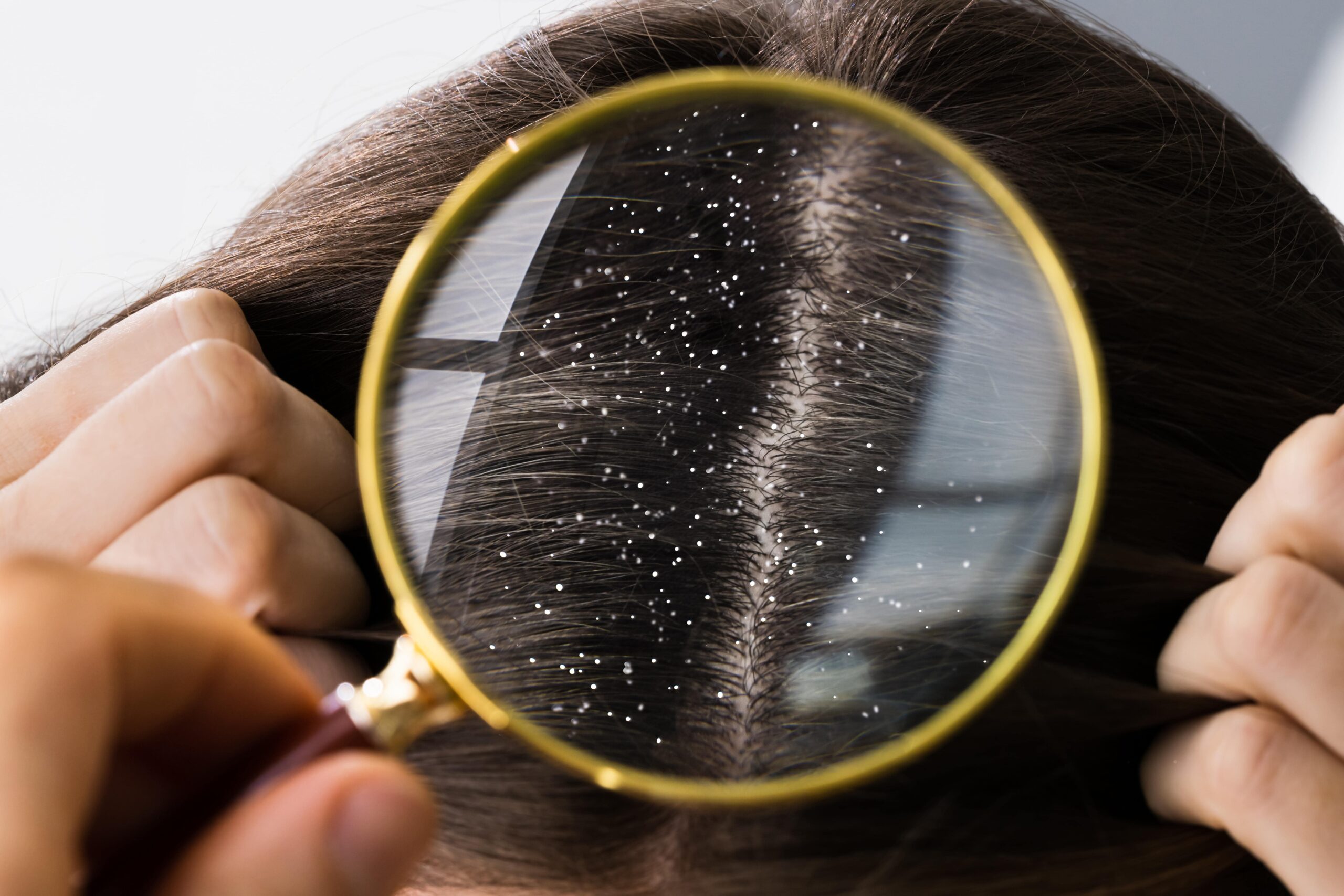
Build-up of oil, product, and dead skin can clog follicles and stifle growth.
Once a week, use a gentle scrub or a chemical exfoliant (like salicylic acid) to unclog pores and reset your scalp.
9. Nourish with Oils
Natural oils can work wonders.
Rosemary oil has been compared to minoxidil in one study for promoting thickness.
Plus, pumpkin seed oil is popular with dermatologists to help with hormonal thinning.
How to use: Mix a few drops into shampoo, conditioner, or a weekly hair mask. Don’t go overboard, just enough to nourish.
10. Shield It from UV Damage

Yes, your hair can burn too.
If you spend time outdoors, protect your strands with a hat or a UV-protectant spray to prevent dryness and brittleness.
11. Keep the Ends Trimmed

While trimming doesn’t make hair grow faster, regularly snipping split ends prevents breakage from creeping up the strands, making your hair look healthier and thicker overall.
12. Consider Professional Treatments (PRP & Microneedling)
If your hair feels fragile or you’ve hit a plateau, treatments like platelet-rich plasma (PRP) or microneedling, administered by dermatologists, can help reawaken dormant follicles and stimulate regrowth.
13. Styling Tricks That Make Hair Look Instantly Fuller

Need volume now? Try blow-drying upside down, adding root-lifting sprays, or getting strategic layers.
These tricks create the illusion of thickness, perfect for days when you need a confidence boost.
How long does it take to get thicker hair naturally?
Typically, visible improvement takes 3–6 months when habits like proper nutrition, scalp care, and occasional treatments are combined.
Can you permanently change hair thickness?
You can’t change genetics, but you can improve density, cut down on breakage, and make your hair look and feel significantly fuller.